How a $325,000-Income Couple Modelled $31,158 in Tax Savings
A couple earning a combined $325,000 a year wanted to pay less tax and build long-term wealth, without taking on the work of finding and managing an investment property themselves. Their personalised Caboolture investment plan modelled $31,158 in potential first-year tax savings and an after-tax contribution of approximately $312 a week.
Those figures come from a plan prepared on 29 October 2026, not a completed investment's financial results. They show how the proposed property's rent, borrowing costs and eligible deductions work together, and why the full calculation matters more than any single tax-saving number.
Start with the household, not a property listing
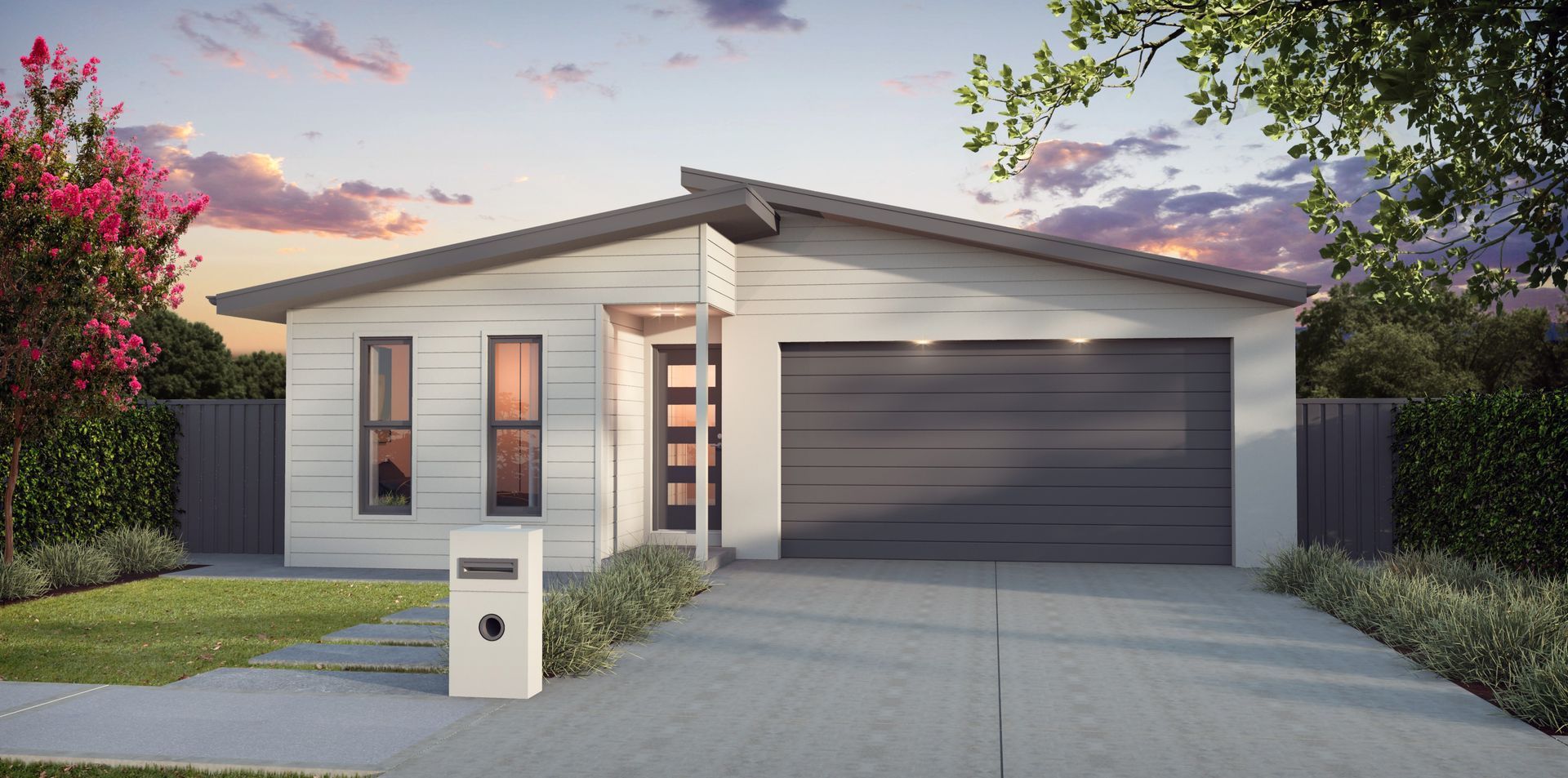
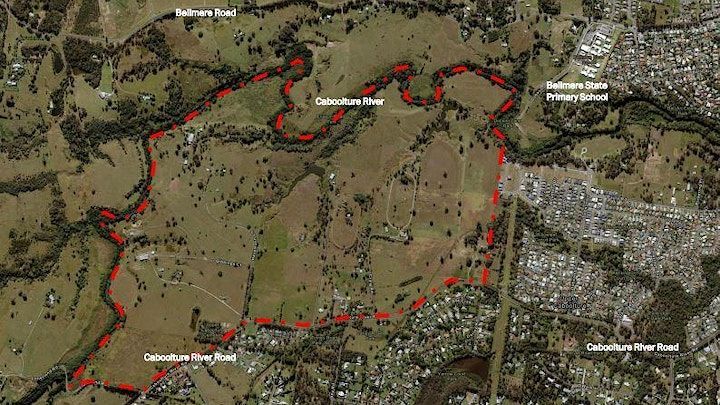
The couple's priorities were to reduce the level of tax paid, create long-term wealth and minimise the time needed to manage the investment. The proposed option was a new four-bedroom home with a media room in Central Springs Estate, Caboolture, in the Moreton Bay region.
Before looking at the potential tax outcome, the plan brought together their incomes, available equity, the proposed purchase and the cost of holding it. That is the point of a personalised plan: understanding what the investment would mean for your own household, rather than assuming someone else's numbers will apply to you.
The first-year cashflow, line by line
The proposed land-and-build price was $1,083,750. The model allowed for total borrowing of $1,144,350, including purchase costs and interest during construction, with interest-only borrowing at 6.95%.
- Modelled annual rent: $40,040, equivalent to $770 a week net.
- Modelled annual interest: $79,532.
- Other annual property expenses: $7,900.
- Total annual holding costs before rent and tax: $87,432.
- Annual shortfall after rent, before tax: $47,392.
- Modelled tax savings: $31,158.
- Annual contribution after those tax savings: $16,234, or approximately $312 a week.
In this example, rent covers about 46% of the holding costs, potential tax savings cover about 36%, and the investors contribute about 19%. The percentages are rounded. The important number for the household budget is the remaining contribution, not simply the size of the tax deduction.
A deduction is not a dollar-for-dollar tax refund
The plan assumes 50/50 ownership and includes rental income, deductible interest, property expenses and depreciation. On those inputs, it models combined taxable income moving from $325,000 to approximately $239,661, with combined annual tax moving from $89,426 to $58,268.
Depreciation is part of the calculation because eligible building and asset deductions can reduce taxable income without being an equivalent cash payment that year. The amount you can claim and the resulting tax benefit depend on your circumstances and the property's depreciation assessment.
Your accountant should confirm the applicable deductions and ownership treatment. They can also explain whether a PAYG withholding variation is appropriate, so an eligible tax benefit can assist cashflow during the year rather than only after a tax return is lodged.
Using equity still means taking on debt
This particular plan assumes the purchase is funded using existing equity rather than an upfront cash contribution. That does not make the property free or remove the need to service the borrowing. It increases debt and depends on available equity, lender approval and the household's ability to meet repayments.
It is worth testing the position with a higher interest rate, a lower rental income or smaller deductions before deciding whether the investment fits your budget. The $312 weekly figure is the output of this model, not a standard cost available to every investor.
What the builder-direct approach changes
Dwyer's role is to help connect the location, land, home and ongoing rental arrangements. You deal with a builder-backed property investment business, with no separate research or sourcing fee.
The example plan includes a fixed-price build and a three-year rental guarantee, with property management included during that guarantee period. Contract terms and eligibility apply. These arrangements address specific construction and rental concerns; they do not remove lending, market or tax risk.
Find out what a plan could look like for you
The useful question is whether a proposed investment makes sense for your income, equity, goals and household budget. A personalised cashflow analysis lets you see the rent, costs and potential tax treatment together before committing.
Talk to Dwyer about a free personalised investment plan, or call 1800 088 437 and ask for Gerard.
General information only, not financial or tax advice. All amounts are Australian dollars and are drawn from the example plan dated 29 October 2026. These are modelled outcomes, not realised results or guarantees. Actual rent, expenses, interest rates, deductions and tax outcomes will vary. Confirm your position with your accountant, lender and licensed advisers before investing.