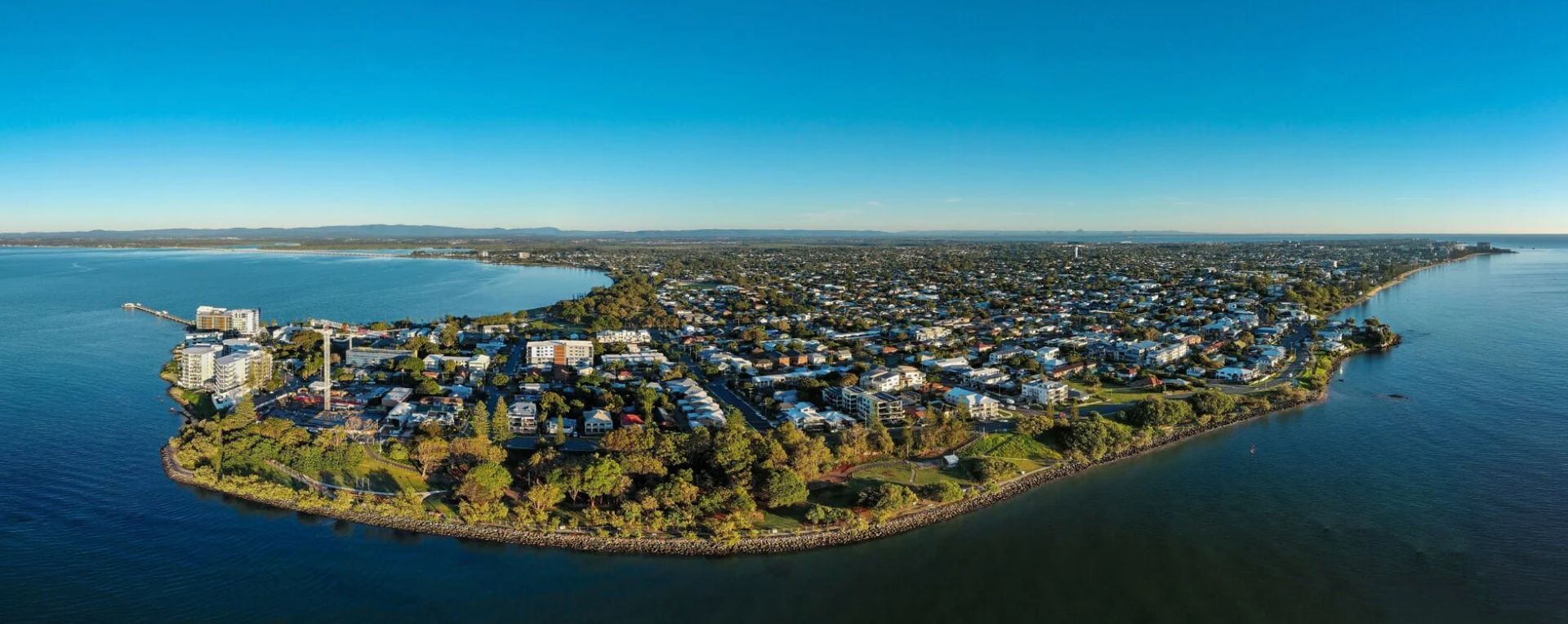
Moreton Bay: Population, Jobs and the Housing Supply Gap

Jason Dwyer • November 10, 2026

Share this article

Population, employment, the local economy and housing supply need to be considered together when assessing Moreton Bay as a property investment location. More residents create a need for homes, but the employment base, infrastructure and pace of construction help explain how that demand develops.

In our October 2026 investor update, we brought these factors together in a regional snapshot. Here is how to read that bigger picture and connect it to the decision about a particular property.

Population growth creates demand for somewhere to live

Our October update described around 240 people a week moving to Moreton Bay, alongside nearly 11,000 additional residents in 2024–25. That provides context for the region's housing needs, but population growth is not a stand-alone investment strategy.

Investors still need to understand which households an individual home would suit. Access to employment, schools, shops and transport influences that decision, as do the layout, specifications and ongoing cost of the property.

It is important to compare locations within the region rather than treating Moreton Bay as one uniform market. Caboolture, Morayfield, Burpengary and Narangba each need to be considered at suburb, estate and property level.

Jobs and infrastructure give the population story context

Our update highlighted projects including the Caboolture Hospital redevelopment, The Mill precinct, business investment around Burpengary and the Narangba East Future Enterprise precinct. Health, education and business infrastructure serve different needs, but each helps explain the region's changing employment and services base.

The council's economic strategy targets a $40 billion economy and 100,000 new jobs by 2041, as cited in that update. These are long-term strategy targets, not jobs already delivered or a guarantee that every project will proceed to its original timetable.

Keep the distinction between existing services, funded works and future proposals clear. In particular, the North Harbour marina precinct remains proposed and subject to approval; it should not be assessed as an operating marina.

Housing supply is the other half of the equation

Our October snapshot compared an indicated need for approximately 4,900 new dwellings a year to 2046 with around 2,280 new dwellings registered at the end of 2025. The comparison highlights the gap between the housing need described in the update and the delivery figure it cited.

Those measures should not be mistaken for a live count of homes available to rent. Registrations, completed homes, rental listings and vacancy rates describe different things. An investment decision needs current evidence about the property's likely rental market as well as the longer-term regional picture.

New housing can help accommodate more residents, while additional construction also changes the choices available to tenants and buyers. Assess the surrounding pipeline alongside demand rather than assuming a regional shortage makes every location equally attractive.

Turn the regional story into a property checklist

A regional update helps identify where to investigate. The next step is to see whether a specific home fits your goals and budget.

  • Check the suburb and estate's access to jobs, services and transport.
  • Understand the land status, build inclusions and expected completion timeline.
  • Compare the proposed rent with the property's full holding costs.
  • Review the cashflow with and without eligible tax deductions.
  • Test your budget against higher interest costs or a lower rental outcome.

That process matters whether you live locally or are considering an interstate investment. A strong regional narrative is useful context, but it cannot replace the numbers for your household.

A builder-direct plan for your next step

Dwyer helps investors work through where to build, what to build and the ongoing rental arrangements, with no separate research or sourcing fee. Qualifying properties include a three-year rental guarantee, subject to the agreement's terms.

General information only, not financial or tax advice. Regional figures and strategy targets are drawn from our October 2026 investor update and are dated context, not forecasts of investment returns. Project delivery, housing supply and market conditions can change. Seek advice suited to your circumstances before investing.

Recent Posts

Moreton Bay region, the setting for Caboolture property investment
By Jason Dwyer • November 10, 2026
Explore the infrastructure behind John McGrath's Caboolture value-play commentary and the practical questions to ask before investing in a new home.
Dwyer home design illustrating a new-build investment property
By Jason Dwyer • November 10, 2026
See how a couple earning $325,000 modelled potential tax savings of $31,158 and a $312 weekly contribution for a new Caboolture investment property.
Dwyer home design illustrating a new-build property investment
By Jason Dwyer • November 2, 2026
See how a couple earning $218,000 modelled $21,909 in potential property tax savings and a $244 weekly contribution on a Moreton Bay new-build investment.
Aerial view of the Caboolture West growth area in South East Queensland
By Jason Dwyer • October 9, 2026
Prices are falling and rates are up, but new builds kept their tax benefits. Here are five South East Queensland growth areas worth a look, and the risks in each.
Aerial view of the Bruce Highway through Caboolture, Queensland, showing established suburbs
By Madeline Smith • July 29, 2026
Discover new Caboolture estates including Central Springs, plus why knock-down rebuilds are rising in this growing SEQ corridor.
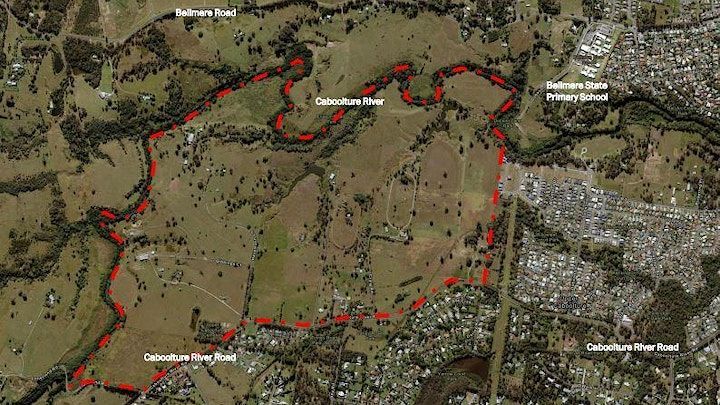
Aerial map showing the boundary of a Caboolture growth precinct site bordered by Caboolture River
By Madeline Smith • July 29, 2026
Caboolture's $399M hospital redevelopment and population growth are reshaping the suburb's investment case. See the data behind the shift.

Show More