Caboolture's growth story isn't playing out in one place. It's happening in two directions at once: established pockets of town are renewing themselves, while entirely new suburbs are being built from the ground up on its western edge. For investors, understanding both halves of that story matters - they signal different things, and they suit different strategies.
Established Caboolture Is Renewing Itself
One of the clearest tells that a market is maturing is what happens to its oldest, most established pockets. In Caboolture, that's showing up as a rising trend in knock-down rebuilds - owners and investors choosing to demolish and rebuild on existing, well-located blocks rather than sell and move on.
That trend doesn't happen in a market that's standing still. It happens when land values in a location are rising enough that the economics of rebuilding start to make sense - and when the fundamentals underpinning that location (hospital investment, transport, population growth) are strong enough to justify it. It's a quieter growth signal than a new estate announcement, but it's arguably a more telling one: it's existing owners voting with their own capital.
New Estates Are Expanding the Supply
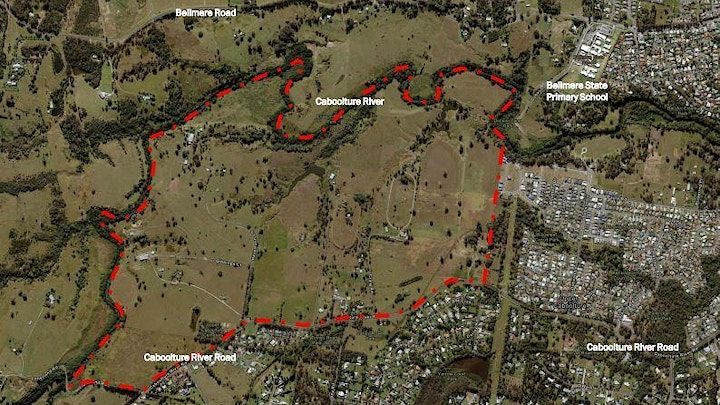
At the same time, greenfield supply is opening up fast across the broader Caboolture growth corridor. Dwyer builds across several of these estates, including Central Springs, Caboolture. An established, well-located Caboolture estate where Dwyer Quality Homes builds house and land packages suited to both first home buyers and investors. Full estate specs and current releases are available through our team.
Central Springs put buyers directly inside, or immediately adjacent to, the growth corridor carrying the bulk of Caboolture's population and infrastructure investment over the next decade.
Why Builders Are Backing Caboolture
At Dwyer, we're builders, not brokers. We don't recommend a location because it's trending - we build where the underlying fundamentals (population growth, infrastructure spend, transport access, employment) stack up, because our business depends on getting that right for the long term, not just closing a sale. Caboolture's combination of hospital investment, growth-precinct scale, and established-area renewal is exactly the kind of layered evidence we look for before committing to build in a location.
What to Look for as an Investor
- Proximity to the Waraba/Caboolture West precinct - properties closer to this growth corridor benefit from the infrastructure and population growth flowing into the broader area.
- Transport access - proximity to Caboolture and Morayfield train stations, and to Bruce Highway corridor upgrades.
- Rental demand indicators - low vacancy rates and rising transaction volumes are signs that current demand is outpacing current supply.
- New build vs established stock - new house and land packages offer fixed-price certainty, full builder warranty, and depreciation benefits that established resale stock can't match.
Want to see what's available at Central Springs?
Book a free consultation with Gerard Condon, our Property Investment Specialist, and we'll walk you through current releases, full cashflow modelling, and depreciation schedules - no cost, no obligation.